Water & Fire Damage in New Jersey
Talk to a local water & fire pro anywhere in New Jersey, including Newark, Jersey City, Paterson, Edison and Trenton. See what the local climate means for the job.
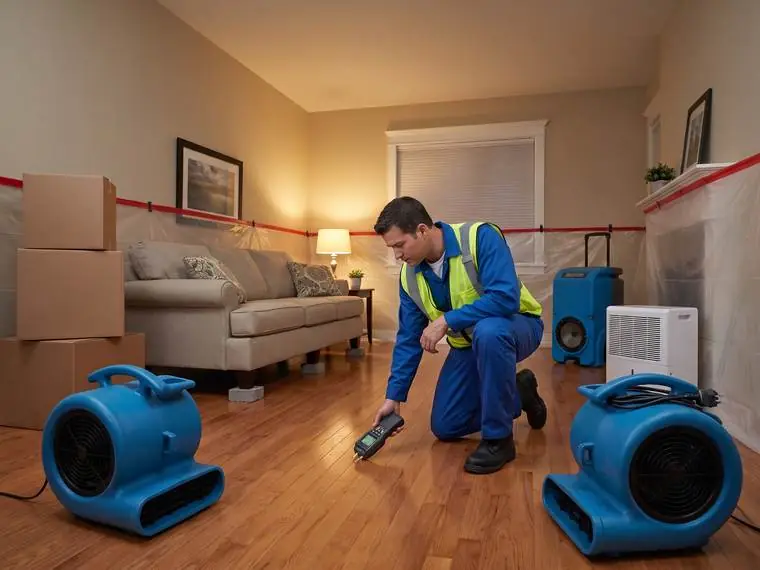
What New Jersey's climate means for your water & fire
Local conditions change which materials and methods make sense.
- Heavy rain and wet soil
Basement and crawlspace water is common here. Make sure the quote covers finding where the water came in, not only drying it out.
- Freeze-thaw cycles
Burst pipes during cold snaps are a leading cause of winter water damage. Shut the main valve first, then call.
- Hurricanes and coastal wind
Wind-driven rain and storm surge are the most common causes of water damage on the coast. Ask whether the crew handles both drying and roof tarping.
- Timing
Restoration is booked year-round; the quicker the crew starts, the lower the final cost tends to be.
Cities in New Jersey
Choose yours so the site shows local advice for your area.
- Water extraction and structural drying
- Dehumidification and moisture mapping
- Smoke and soot cleanup
- Odor removal
- Board-up and tarping
- Rebuild after drying or cleanup
How the call works
Most water & fire calls take about four to five minutes. You don't need an account to call.
- Plan it in 30 secondsFour quick taps so the pro knows the job before you call.
- Talk to a local proThey ask about the job, your home and your timing.
- Get your priceThe pro explains the work and the price, then you decide.

Water & Fire Damage in New Jersey: questions
What will the pro ask about water & fire damage in New Jersey?
Expect questions about your home, the size of the job and your timing. Ask about any service or inspection fee on the call.
When is the best time for water & fire damage in New Jersey?
Restoration is booked year-round; the quicker the crew starts, the lower the final cost tends to be.
How fast do I need to act on water?
Drying should start as soon as possible. Mold can begin to grow within 24 to 48 hours of materials staying wet.
Can smoke odor really be removed?
Yes, but it takes more than cleaning. Crews use thermal fogging, ozone or hydroxyl treatments and sometimes seal surfaces.