Plumbing in Colorado
Talk to a local plumbing pro anywhere in Colorado, including Denver, Colorado Springs, Aurora and Fort Collins. See what the local climate means for the job.
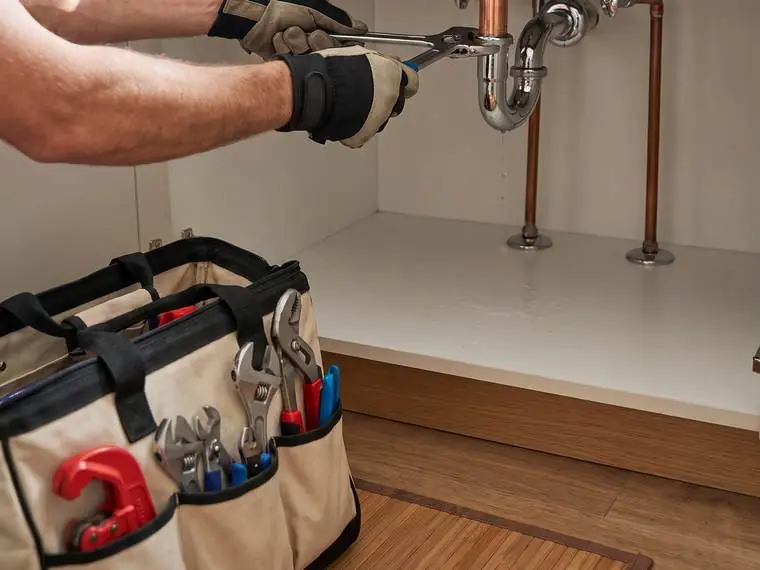
What Colorado's climate means for your plumbing
Local conditions change which materials and methods make sense.
- Expansive clay soil
Shifting clay soil can crack sewer lines. A camera inspection finds the problem before digging.
- Freeze-thaw cycles
Insulate exposed pipes and know where your main shutoff is — burst pipes are the most common winter call.
- Timing
Plumbers work year-round. Winter freezes and spring rains are the busiest times.
Cities in Colorado
Choose yours so the site shows local advice for your area.
- Burst pipes and water leaks
- Blocked drains and sewer lines
- Water heater repair and replacement
- Repipes and fixture installs
- Toilets, faucets and disposals
- Sump pumps
How the call works
Most plumbing calls take about four to five minutes. You don't need an account to call.
- Plan it in 30 secondsFour quick taps so the pro knows the job before you call.
- Talk to a local proThey ask about the job, your home and your timing.
- Get your priceThe pro explains the work and the price, then you decide.

Plumbing in Colorado: questions
What will the pro ask about plumbing in Colorado?
Expect questions about your home, the size of the job and your timing. Ask about any service or inspection fee on the call.
When is the best time for plumbing in Colorado?
Plumbers work year-round. Winter freezes and spring rains are the busiest times. In Colorado's colder months, outdoor work can be limited, so plan around the weather.
Is this an emergency?
An active leak you cannot stop at the shutoff is. Turn off the main supply valve first, then call.
Tank or tankless water heater?
Tankless costs more to install but lasts around 20 years and does not run out. Tanks are cheaper up front.