Chimney Repairs in West Virginia
Talk to a local chimney pro anywhere in West Virginia, including Charleston, Huntington, Morgantown and Parkersburg. See what the local climate means for the job.
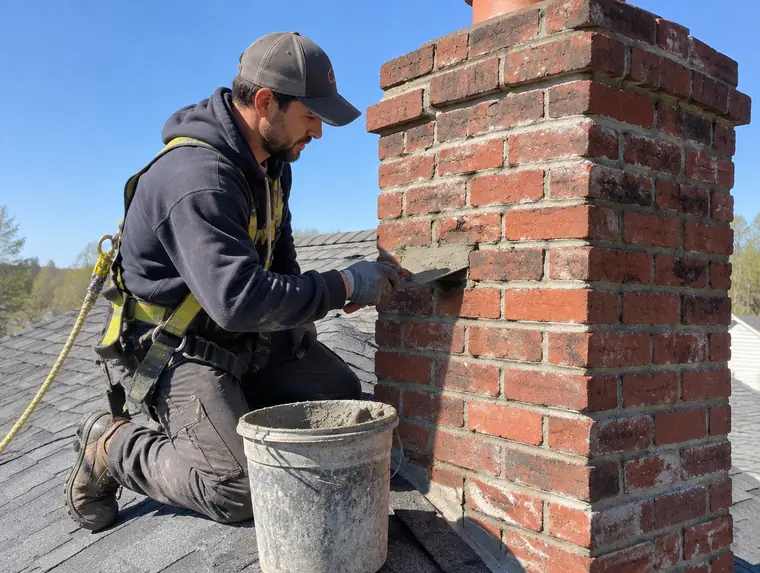
What West Virginia's climate means for your chimney
Local conditions change which materials and methods make sense.
- Freeze-thaw cycles
Freeze-thaw cycles crack chimney crowns and mortar quickly. A water-repellent sealer and a good crown slow that down.
- Climate zone 4–5
West Virginia sits in IECC climate zone 4–5, with real winters. Outdoor work slows in the coldest months, so book early in the season if timing matters.
- Timing
Late summer and early fall are best, before fireplace season. Fall is the busiest time.
Cities in West Virginia
Choose yours so the site shows local advice for your area.
- Inspection and cleaning
- Repointing brick and mortar
- Crown repair and replacement
- Chimney caps
- Flashing repair
- Flue liners
How the call works
Most chimney calls take about four to five minutes. You don't need an account to call.
- Plan it in 30 secondsFour quick taps so the pro knows the job before you call.
- Talk to a local proThey ask about the job, your home and your timing.
- Get your priceThe pro explains the work and the price, then you decide.

Chimney Repairs in West Virginia: questions
What will the pro ask about chimney repairs in West Virginia?
Expect questions about your home, the size of the job and your timing. Ask about any service or inspection fee on the call.
When is the best time for chimney repairs in West Virginia?
Late summer and early fall are best, before fireplace season. Fall is the busiest time.
How often should a chimney be inspected?
Once a year if you use the fireplace, and before you start using one in a home you just bought.
Why is my chimney leaking?
The most common causes are cracked crowns, failed flashing, or a missing cap.